
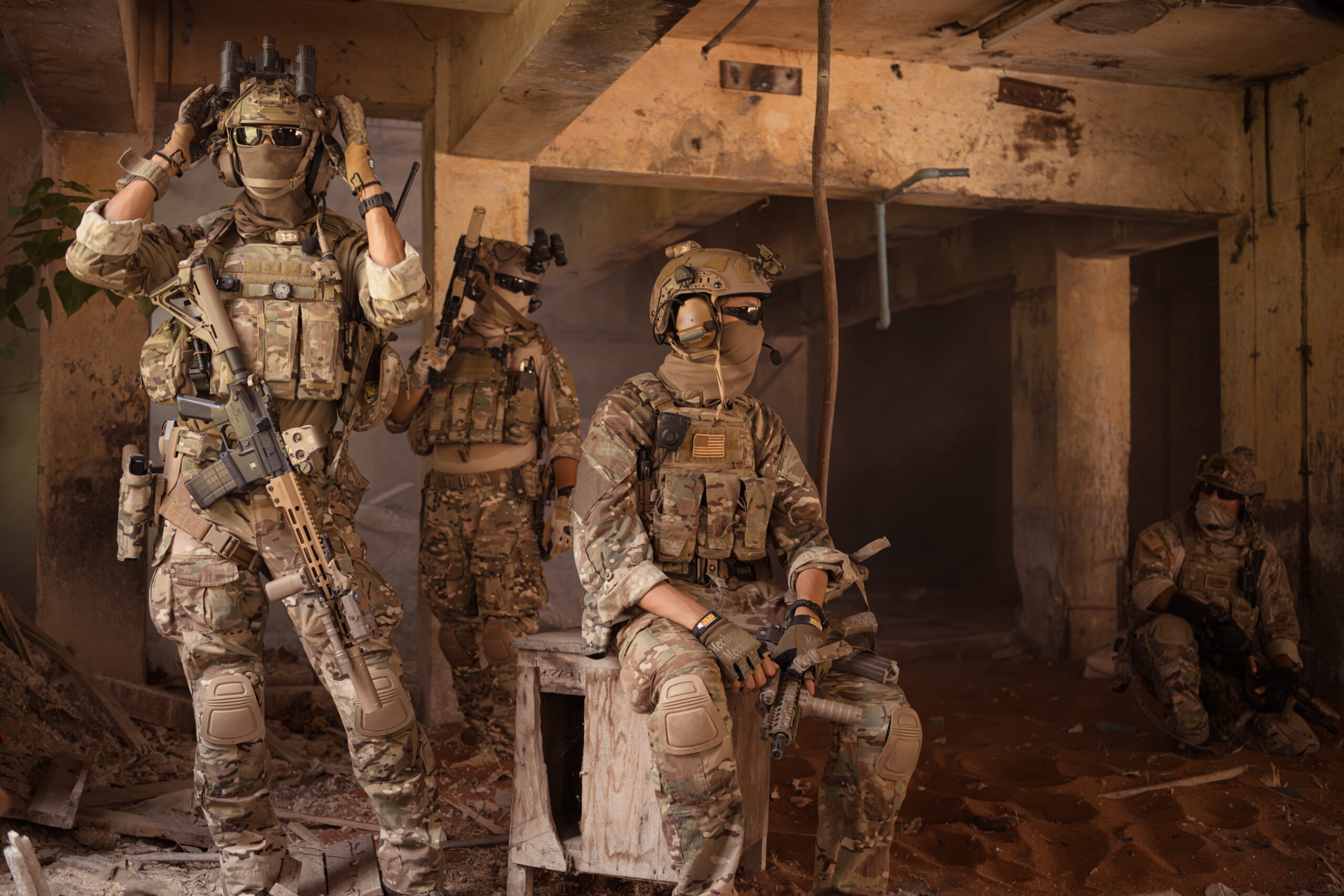
Counter-Strike 2 (CS2) represents a massive leap forward for Valve’s iconic tactical shooter franchise. Powered by the Source 2 engine, the game features volumetric smoke grenades, sub-tick architecture, and vastly improved lighting and physics. While traditional Counter-Strike gameplay has always revolved around standard equipment like flashbangs, high explosives, and smoke grenades, the community and map designers often explore custom mechanics that change the meta. Among these, the concept of “CS2 mines” has captured the imagination of custom server creators and casual players alike.
Whether referring to custom game modes, server-side plugins, or tactical approximations using existing utility, mines add a completely new layer of psychological warfare and area denial to the game. This blog post explores how mines function in the broader context of CS2, how custom servers implement them, and how players adapt to these explosive hazards.
What Are CS2 Mines?
In standard, competitive matchmaking, there are no physical landmines. Counter-Strike has historically relied on thrown utility rather than placed traps. However, the term “CS2 mines” generally refers to a few different concepts within the ecosystem:
- Custom Server Plugins: Community servers running scripted game modes (like Zombie Escape, Deathrun, or custom Retakes) frequently script proximity mines or tripwires.
- Utility Mimicry: Clever players using high-explosive (HE) grenades or incendiaries placed in specific, hidden spots (sometimes triggered via console commands in custom environments) to simulate trap gameplay.
- Danger Zone Elements: With the community constantly speculating on the return or evolution of battle royale elements from CS:GO’s Danger Zone, trap mechanics are often associated with survival-style custom maps.
The Mechanics of Custom Mines in Source 2
With the advent of the Source 2 engine, map makers and scripters have unprecedented control over entity logic, particle effects, and player physics. When a server administrator implements mines into a CS2 custom game mode, they typically rely on specific behavioral mechanics.
Common Mine Types Found in Custom Modes
- Proximity Mines: These activate when an enemy player enters a specific radius. They usually feature a distinct audio cue (a high-pitched beep) giving the victim a split-second window to react or retreat.
- Tripwires: Laser-based or invisible lines stretched across doorways or corridors. Crossing the line immediately triggers an explosion or a debuff (such as a severe slow or flash effect).
- Remote-Detonated C4: While C4 is traditionally planted at bomb sites, custom scripts allow defenders to place smaller, pocket-sized explosive charges and detonate them manually when footsteps are heard.
| Mine Type | Trigger Condition | Average Damage | Counterplay |
|---|---|---|---|
| Proximity Mine | Player enters radius (e.g., 2 meters) | High (70-100 HP) | Shoot from a distance, crouch-walk past |
| Tripwire | Crossing a laser line | Medium (50 HP) + Slow | Jump over, knife the anchor point |
| Remote Charge | Manual activation by opponent | Lethal (100+ HP) | Map awareness, listening for switch clicks |
How Players Adapt to Mine-Based Gameplay
Playing on servers that feature explosive traps requires a complete shift in tactical thinking. Standard default executes and rush strategies will quickly result in disaster. Players must adopt specific habits to survive in mine-heavy environments.
Key Survival Strategies
- Check the Corners: Just as players check for traditional crosshairs holding an angle, they must now scan doorways, low walls, and dark corners for placed hazards.
- Utilize Utility First: Before pushing a tightly contested choke point, players should bounce a flashbang or an HE grenade into the area to detonate any hidden traps safely.
- Listen Closely: CS2’s enhanced directional audio is a lifesaver here. Many custom mines emit a low hum or an intermittent beep when armed. Stopping to listen before rushing a site can save a player’s life.
- Communicate Trap Locations: If a teammate spots a mine and manages to avoid it, calling out its exact coordinates prevents trailing teammates from walking straight into the blast.
The Role of Map Design and Source 2 Tools
The flexibility of the Source 2 Hammer editor allows creators to integrate dynamic hazards seamlessly into map layouts. Unlike older versions of the engine, lighting and volumetric effects in CS2 mean that traps can be subtly hidden in shadows or obscured by dynamic smoke and fire.
Furthermore, custom game modes utilize Lua scripting to govern how mines interact with player physics. For instance, a well-placed explosion might not just deal damage, but also cause screen shake or knockback, altering a player’s aim mid-fight.
Frequently Asked Questions (FAQ)
Are there mines in official CS2 competitive matches?
No. Official competitive, Premier, and Casual modes do not feature landmines or deployable traps. The gameplay remains strictly focused on traditional guns, knives, and standard throwables (smokes, flashes, HEs, molotovs, decoys).
Where can I play CS2 modes that feature mines?
You can find mines in specific community custom servers. Look through the community server browser or search for game modes like Zombie Escape, Retake variants, or custom obstacle courses that utilize scripting plugins.
Can you destroy a custom mine without triggering it?
In most custom game modes, yes. Players can usually shoot the mine from a distance to detonate it safely, or in some specific rule sets, use a knife to disarm it if they approach from behind.
Will Valve ever add mines to standard CS2?
It is highly unlikely. Counter-Strike’s core competitive identity is built around symmetrical gunplay, predictable utility arcs, and map readability. Adding randomized or hidden stationary traps would fundamentally break the competitive balance that the franchise is known for.
While CS2 mines are strictly the domain of custom servers, map makers, and community creations, they highlight the incredible versatility of the Source 2 engine. They offer a refreshing, chaotic break from standard competitive play, testing a player’s awareness, reflexes, and adaptability in entirely new ways. Whether you are cautiously clearing a custom corridor or setting up a defensive trap of your own, understanding how these mechanics work adds a fascinating new dimension to the Counter-Strike experience.
Discover cs2 mines on CS2Skin—browse skin-focused guides, item insights, and fresh Counter-Strike 2 content for players today.